TL;DR: The hobby or business NZ question depends on the overall activity, including your intention to make a profit, regularity and the time and resources involved. There is no single income threshold that turns every hobby into a business. The GST registration test is a separate question.
- The overall activity matters more than calling it a hobby.
- Profit intention and regularity are relevant indicators.
- A commercial price needs to include the full time and cost.
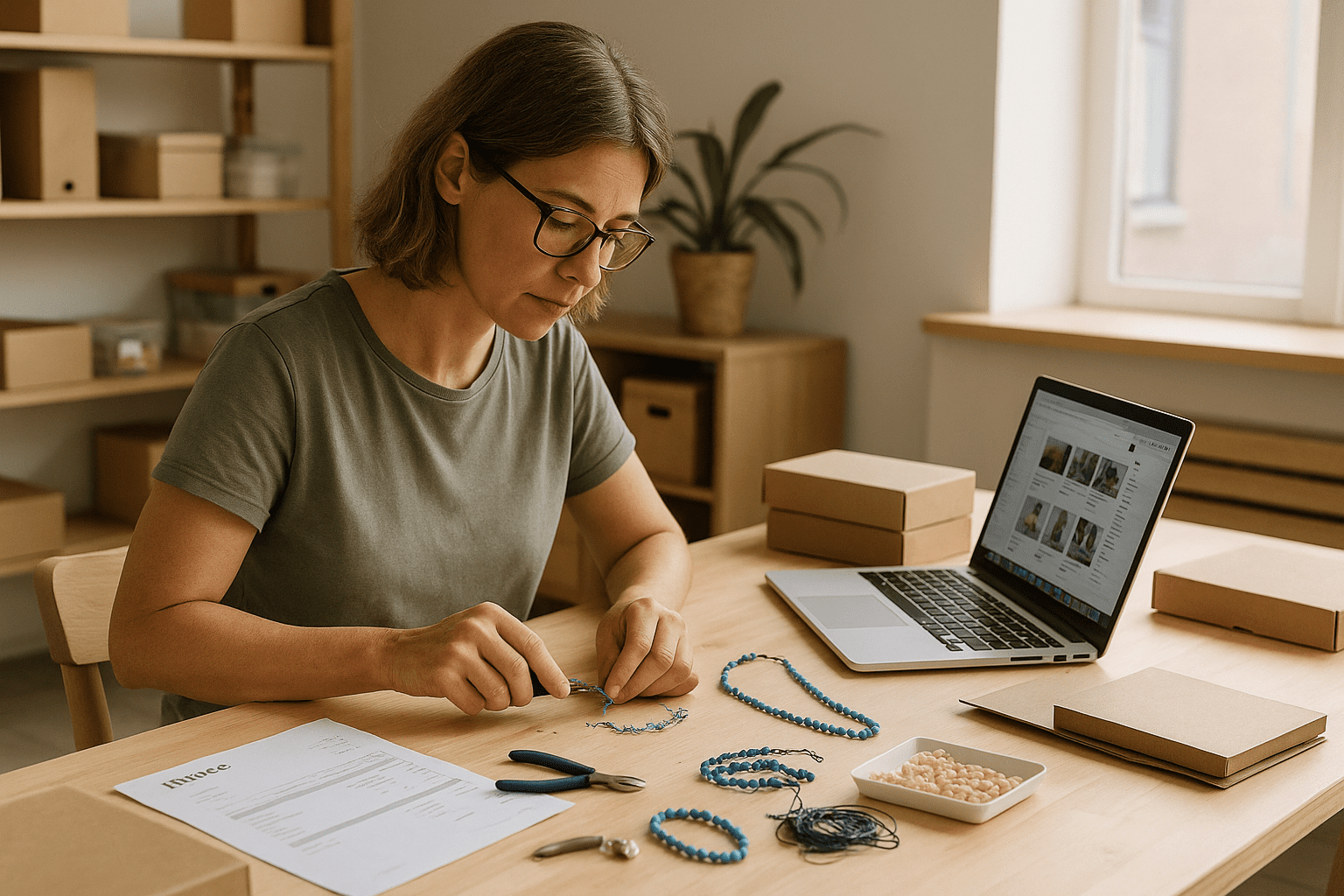
A few sales can become regular orders almost without you noticing. You start buying supplies more deliberately, people expect delivery dates and a pleasant spare-time activity begins taking over the spare room.
That can be a good development, provided you recognise what has changed. The tax position and the practical business model both need attention. You want to know whether obligations apply and whether the work is worth doing at the price you charge.
What indicators should you review?
Inland Revenue's guidance considers indicators such as profit intention, regular sales, resources allocated and the way the activity is organised. No one feature provides a universal answer for every situation.
Your own records can help clarify the position. A list of orders, purchases, advertising and the time spent supplying customers gives an adviser something concrete to assess. The question should be answered from the facts, rather than from what you would prefer the label to be.
Key point: The classification needs an overall assessment with evidence.
Is the GST threshold the point when a hobby becomes a business?
No. GST registration and whether you are in business for income tax are separate questions. An activity can need a business assessment before it reaches a GST registration threshold.
If orders are growing, your accountant can help review both issues together without treating them as the same test. Waiting until a particular sales figure appears may leave you addressing the question later than you should.
Key point: A GST threshold should not be used as a universal hobby-to-business boundary.
What changes when customers expect commercial delivery?
Regular sales bring expectations about quality, communication and timing. The work may also need different permissions, insurance or other arrangements, depending on what you supply.
The commercial calculation needs to include time beyond making the product. Buying supplies, listing items, responding to messages, packaging and dealing with problems all consume capacity. The price should be tested against that whole commitment, rather than the material cost alone.
Key point: The customer work includes administration and service as well as production.
How can you decide whether to continue commercially?
A defined trial can show whether you enjoy the activity with customers, deadlines and a price attached. Your review needs to include the return, the workload and the effect on the part you originally enjoyed.
You might continue, limit the volume, change the offer or keep the activity as an interest. Any tax or other obligations still need to be handled correctly. The commercial choice is yours, while the classification needs the appropriate assessment.
Key point: The activity should be assessed honestly for both obligations and personal fit.
How can you review a growing side activity?
A factual review helps before a label becomes a habit. Your records should show how the work has changed and what commitments now exist. The commercial question is then whether you want to continue on that basis, with the obligations properly understood.
- The pattern of orders and promotion is recorded.
- The time, money and resources allocated are visible.
- The intended return and pricing approach are explained.
- Any tax or activity requirements are checked with the right adviser.
Key point: The review should reflect how the activity operates now, rather than how it began.
Which official sources can you check?
The following official resources were checked on 30 October 2026. They provide the detail behind the relevant rules, definitions or planning tools.
Key point: The current official guidance is the reference for a rule or requirement; your own circumstances may need an adviser’s assessment.
Frequently asked questions
Can a side hustle be a business even if I have another job?
Yes. Having employment elsewhere does not by itself decide the status of the side activity.
Does a loss prove it is a hobby?
No. A loss alone does not settle the question. The overall activity and profit intention need consideration.
Who can help if I am unsure?
Inland Revenue guidance is a useful starting point. An accountant or tax adviser can assess your specific activity and explain the records and obligations involved.
Can this article determine the tax treatment for my situation?
No. This is general information, with links to official guidance checked on 30 October 2026. Your accountant or tax adviser should assess the facts, current rules and any exceptions before you act.
How can I enquire about business coaching?
The Book a Conversation button takes you to the enquiry section. A little information about your business and the issue you want help with lets us suggest an independent coach we think could be a good fit. That coach may work with you remotely rather than be based in your area.
Key point: The next step should suit the question, whether that is a practical business review or advice from a specialist.
Related reading
- What Qualifies as a Business in NZ? Activity, Intention and Obligations
- Hobbies That Make Money in NZ: Testing the Commercial Potential
What to take away from this
The activity should be assessed honestly for both obligations and personal fit. The review should reflect how the activity operates now, rather than how it began.
Where does coaching fit alongside tax advice?
Your accountant or tax adviser should confirm the treatment for your circumstances. Coaching can help you organise the surrounding business work, such as record-keeping responsibilities, cash planning and following through on the decisions you have agreed.
Our collective of independent business coaches works with small business owners remotely as well as across New Zealand. The Book a Conversation enquiry form lets you tell us what you need. We can suggest someone we think will be a good fit, which may be a coach outside your area.