"At last, someone who understands my business!" Business Coaching, New Zealand
NZ Business Coaching How business coaching works
NZ Business Coach - The Blog Coaching for New Zealand Businesses

Have a Solid Business Plan
You need traditional elements of a business plan like company’s products and services, strategy, market analysis, financial projections.

The NZ Entrepreneur
A NZ entrepreneur is a dreamer, someone with a vision, but someone who must put that vision into action. Plan for a thriving business.

Maximise Your Thud (Perceived Value) Factor
Understanding your business’s perceived value can lead to better pricing strategies and stronger customer loyalty.
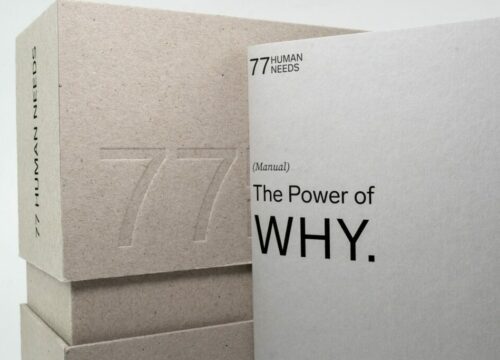
Know Your Big Why
Know your “Big Why”. Many entrepreneurs usually have an area of expertise, but they haven’t studied small business success.

Learn to Love Technology
By learning to love technology, and embracing the latest ways of doing marketing, you will gain a whole new audience and grow your business.

Be Passionate About What You Are Doing
If all you think about is money, your business is never going to work. You have to be passionate – and you have to want to win.

Unlocking the Power of Google Business Profile for Your Business
Harnessing the power of Google Business Profile can be a game-changer. Optimizing your profile is essential for business growth.

Scalability: Find a NZ Business That Can be Scaled Up
If your business provides a product or service that other people can be trained to buy, then you have scalability.
Your NZ Business Questions Answered...
What is the lowest income tax rate in NZ?
Explore New Zealand’s progressive income tax system, where higher earners face higher tax rates. Learn how this system promotes fairness and social welfare.

Hobby or Business? How to Tell the Difference in New Zealand
Wondering if your activity is a hobby or business? The difference affects tax, reporting & your long-term plans. Here’s what you need to know.
What is the primary cause of small business failure?
Discover the key reasons behind small business failures and how to overcome them. Learn about funding, management, infrastructure, and marketing strategies.
What makes a small business NZ?
Explore the pivotal role of small businesses in New Zealand’s economy, from driving innovation and job creation to fostering community engagement and resilience.
What is the minimum to start a business?
Starting a successful business requires careful financial planning. Learn about startup costs, operational expenses, marketing budgets, and more in this guide.

What is the 183-day tax rule in New Zealand?
The 183 day tax rule in New Zealand can affect your residency status – and your tax bill. Here’s what you need to know in plain English.
What is the difference between a sole trader and a company in NZ?
Uncover the key distinctions between sole traders and companies in New Zealand, from liability to tax implications, to make an informed business structure decision.
Types of Income Not Taxed in New Zealand
Some income is not taxed in New Zealand, but most people are surprised by what’s still included. Here’s a quick breakdown in plain English.

What is the best passive income in New Zealand?
Wondering what the best passive income in New Zealand really is? Here’s a practical look at options that work for business owners and investors alike.
What is the easiest and cheapest business to start?
Discover 20 profitable businesses you can launch with less than $1,000, from bookkeeping to online stores, offering diverse options for aspiring entrepreneurs.

What is the most profitable business in New Zealand?
What are the most profitable business types in New Zealand for potential investment opportunities, or business diversification?
What is the difference between self-employed and sole trader?
Discover the key differences between being self-employed and a sole trader in the world of entrepreneurship. Learn about legal implications, tax obligations, liability, and growth potential.